

Co-Living Proposal Pushes TOD Limits at Marrickville

A seven-storey co-living proposal in Sydney’s Inner West wants to more than double local height limits and triple room caps, arguing state policy should prevail over low-density controls.
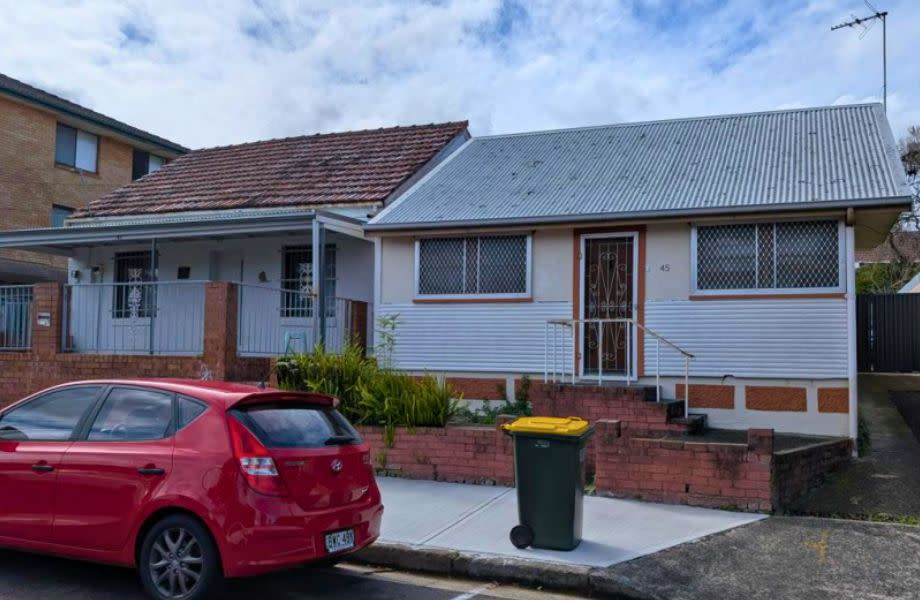
The $8.3-million proposal for 45-47 Arthur Street—lodged for LGM Arthur Pty Ltd and Arthur Kay Pty Ltd—would replace two houses with a 21.6m-high building containing 43 co-living rooms
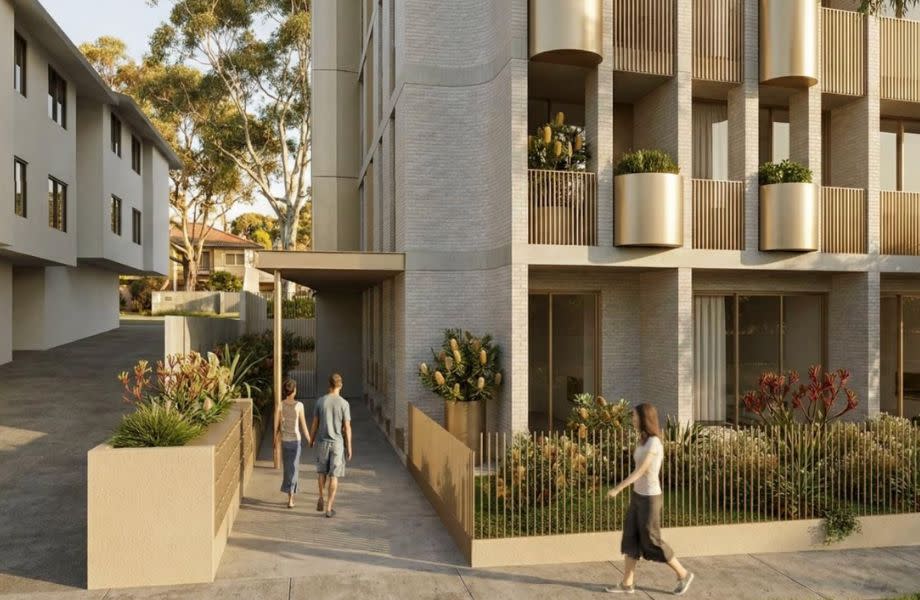
The Benson McCormack-designed scheme (pictured at top) ia about 400m from the Marrickville Train Station on an 825sq m site.
Under the Inner West Council’s R2 zoning, height is capped at 9.5m and co-living is limited to 12 rooms.
The proposal exceeds both. Height would rise 12.1m above the mapped limit—a 127 per cent uplift—while room numbers would more than three times the cap.
The project is inside the state’s Transport Oriented Development (TOD) zone under the State Environmental Planning Policy (Housing) 2021.
Within this catchment, apartment buildings can rise to 22m and achieve higher density.
But co-living is regulated under a separate section of the Housing SEPP and remains tied to the lower 9.5m height control in the local plan, even though it can access density uplift near rail, including a 10 per cent bonus.
The applicants argue this creates a policy inconsistency.
Submission documents said planning settings treat the land as suitable for midrise housing, yet co-living remains constrained by legacy height controls.
A Clause 4.6 variation is sought to align co-living height with the 22m envelope available to apartment buildings on the same site.
Proposed floor space remains below what an apartment building could achieve and under the maximum available to co-living projects.
Room numbers form a second variation.
Reforms introduced in 2019 capped co-living in R2 zones at 12 rooms to limit scale in low-density streets, the scheme proposes 43 rooms.
According to the submission, TOD mapping anticipates that a six to seven-storey built form across the precinct and retaining a 12-room cap would underutilise land identified for increased housing supply near rail.
Parking would comprise three car-share spaces, including one accessible bay, with no private resident parking.
Plans include 44 bicycle spaces, two motorcycle spaces and communal areas exceeding minimum requirements.
The Inner West Council has yet to exhibit the application.

AI is Hotel’s New Frontier as Ultra Luxe Leads Way: Paul Salter

SEQ Grapples with High Risk, High Reward in Run Up to Olympics

Left for Dead, Office Sector Rises Again as Location Becomes King

Buying Capability, Not Scale: Colliers Doubles Down on Integrated Advice


