
Chermside, Mount Gravatt Earmarked for Density Lift

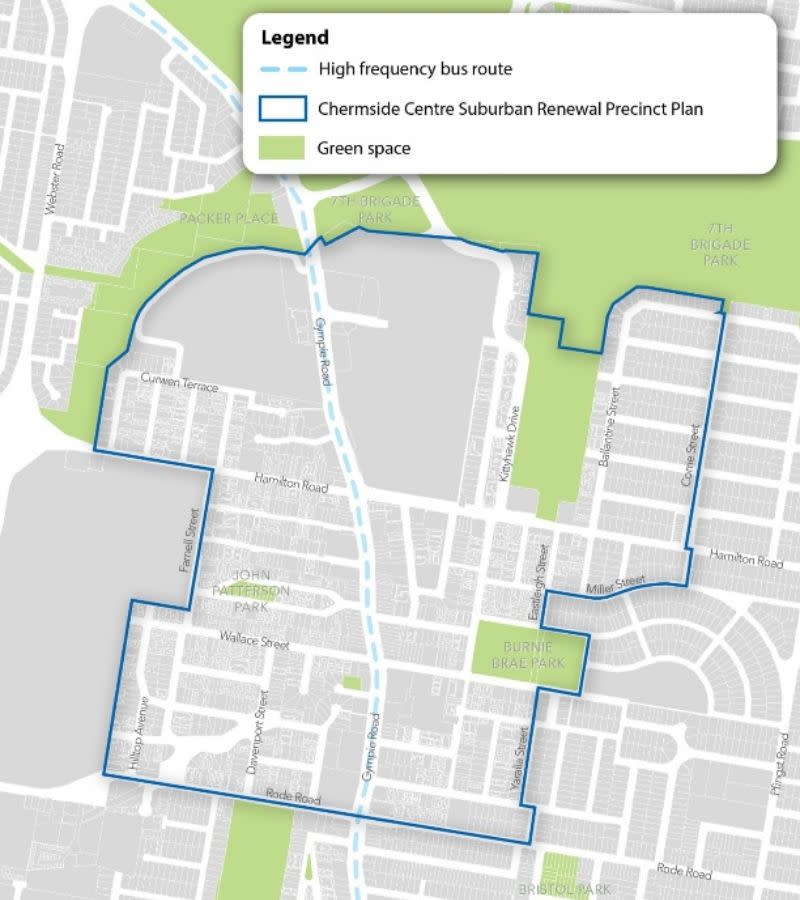
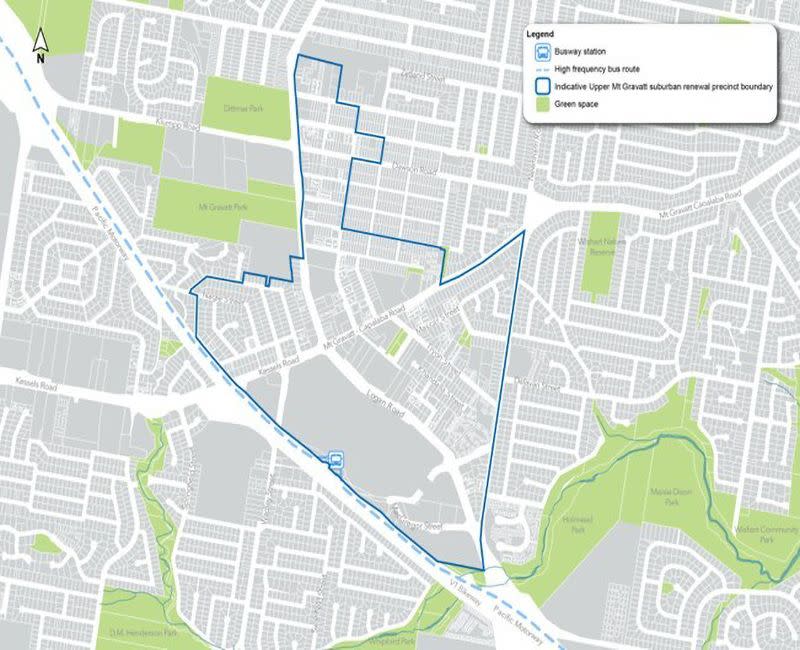
Two major Brisbane suburban centres have been earmarked for major zoning uplifts to make way for higher density apartment living.
Chermside to the north and Upper Mount Gravatt in the south of Brisbane have been identified in the next stage of the Brisbane City Council’s “anti-sprawl” plans.
The changes, which were passed by the Brisbane City Council this week, will be released for community feedback before going to the Queensland Government for final approvals.
In both areas, which are anchored by major Westfield shopping centres, as-yet unspecified higher-density development would be allowed under the proposals.
Currently, under the Chermside Centre Neighbourhood Plan, developments of 6 to 15 storeys in core areas are permitted, while at Upper Mount Gravatt, landmark development sites are permitted to go up to 15 storeys.
The city unveiled the first tranches of higher-density suburbs last year, identifying areas at Indooroopilly, Nundah and Carindale that could benefit.
At the time, the council proposed to exceed Indooroopilly’s 20-storey limit and Carindale’s 10-storey cap, while Nundah would retain its 12-storey maximum but gain greater flexibility for mixed-use projects.
Density increase plan welcomed
Any move to increase density could only help, Gardner Vaughan Group commercial director Sam Gardner told The Urban Developer.
“The solution to the housing shortage is density with vertical housing. So it makes sense to have these pockets of height in mini-CBDs like Chermside and Mt Gravatt,” Gardner said.
Gardner Vaughan Group knows the area well, having recently completed work on its 112-unit project, Estilo on the Park, at 81 Kittyhawk Drive, Chermside.
“At the moment, height is the key driver of our acquisition strategy,” Gardner said.
“[For example] we’re going through the process looking at four sites at Moreton Bay and the Sunshine Coast.
“But current planning doesn’t allow those sites to stack up.”
And with private sector accounting for 96 per cent of new homes, according to Brisbane Lord Mayor Adrian Schrinner, new sites must work for developers.
Gardner said, “There’s a sweet spot in height, and we need relaxation and additional height to make projects work.
“If it makes the project feasible, it works for our business model, we’ll get it done. If height issues makes it unfeasible, we’ll just move on.”
Beware of housing crisis box ticking
Steffan Harries Town Planning director Alexander Steffan said that although we might not know exactly what the zones would look like, creating higher-density development near services, shopping centres and transport options was always a good idea.
“Having these little precincts around the areas they are proposing makes total sense,” Steffan said.
“However, I can’t see that it will make an impact immediately, because anecdotally, developers can find it difficult to make feasibility stack up on medium-rise buildings.
“There are a lot of changes being pitched by councils that look great on paper, and ‘tick the box for doing something to help the housing crisis’ but in reality aren’t doing much.
“And the simple changes that have been made that actually are viable, such as rooming accommodation and renting out granny flats, are being challenged at council level.”
With an estimated 600 people moving to Brisbane each week, it is estimated that Brisbane needs 210,800 homes by 2046—90,000 of those before the 2032 Olympics—as population continues to soar.
Schrinner said the proposals were about “[striking] the right balance between delivering more homes and protecting the character of our suburbs”.

‘Capital Follows Confidence’: ID_Corp Backs SA with Debut Land Deal

Frustration Grows as Water Woes Stymie 15,000-Home Scheme

‘Slow and Steady’ Wins the Race for Pellicano’s South City Square

Sheds to Beds: What Developers are Betting On in 2026


