
Brisbane Reveals Density Shift to Unlock 6000 Homes

The Brisbane City Council has taken the covers off its plans to unlock thousands of new homes in well-serviced middle-ring suburbs.
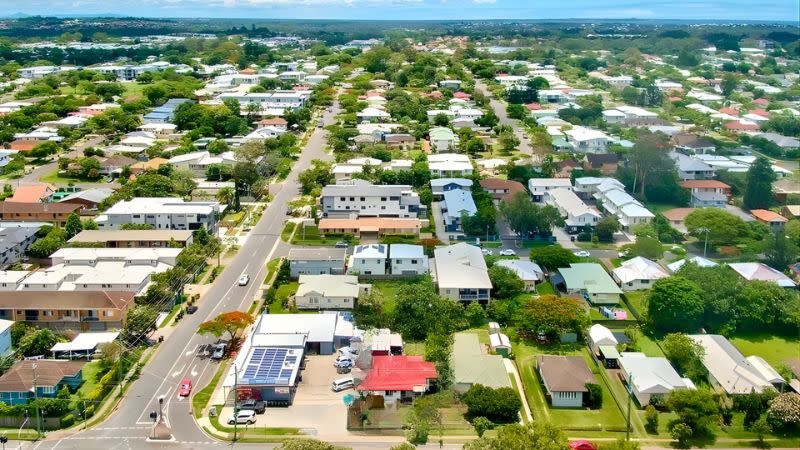
The plan, dubbed the More Homes, Sooner initiative, would focus on low-medium density residential (LMR) zones, which make up 14 per cent of Brisbane’s residential areas, including parts of Morningside, St Lucia, Moorooka and Zillmere.
The proposal comes after Mayor Adrian Schrinner in May announced a review into low-to-medium density residential zoning as part of the city’s plans to address skyrocketing housing costs.
Proposed changes include increasing allowable building heights from 2 to 3 storeys to 3 storeys, with up to 4 storeys permitted near frequent public transport or shops.
Minimum lot sizes would drop from 260sq m to 120sq m, making it easier to deliver townhouses, row houses, units and small apartments, the city said.
Development assessment processes would be simplified and subdivision eligibility expanded from 200m to 300m from shopping centres.
Design requirements would protect the character of suburbs through setbacks, maximum building footprints and space for street trees, while parking requirements would be adjusted to reduce construction costs, the city said.
The initiative could deliver up to 6000 new homes by 2032, targeting younger buyers and downsizers in locations close to transport, shopping and services.
Development in Brisbane LMR zones has fallen sharply, from around 1100 homes annually to just 445 in 2023, as rising costs have made smaller projects commercially challenging, the council said.
Schrinner said the changes were designed to relieve cost pressures and enable more housing without expanding urban sprawl.
“House prices and rents will only stabilise when more homes are built,” Schrinner said.
“We must focus on increasing options and reducing cost pressures on home builders to boost supply.”
City Planning chair Adam Allan said the reforms would empower private developers, who build 96 per cent of homes in Brisbane, to deliver housing in well-located suburbs.
“More than 600 people are moving here every week, and these changes will kickstart new construction in areas where housing is desperately needed,” Allan said.
Industry bodies welcomed the reforms.
UDIA Queensland chief executive Kirsty Chessher-Brown said they were a critical piece of the housing puzzle, increasing diversity and affordability in established suburbs.
HIA executive director Queensland Michael Roberts said reducing minimum lot sizes and adjusting parking rules would make small infill projects more commercially viable and benefit first-home buyers and downsizers.
Residents can provide initial feedback on the proposals online with the council while formal consultation is due to begin early next year.
The proposals follow similar schemes in other states.
The NSW Government’s Low and Mid‑Rise Housing Policy came into effect in February 2025, and opened low-density zones across metropolitan Sydney, including the City of Sydney, to dual occupancies, terraces, townhouses, multi-home housing and small apartments within 800m of a train, metro or town centre.
In Victoria, planning reforms have allowed greater development density around public-transport hubs in Melbourne suburbs, including new activity-centre zones permitting apartment towers up to 16 storeys, but do not match the city-wide LMR-style reforms implemented in Sydney.


The Great Densification: Zoning Alone Won’t Fix Housing Crisis

Prefab, Modular, Ready-to-Go: Construction Innovation Evolves

High-Stakes Bid to Shape Adelaide’s Next Urban Precinct

Modular Hotel Rises on Queenstown’s Steepest Site


