
Cox, Hassell, Azusa Sekkei to Design Brisbane Stadium

The designers to deliver the new stadium that will host the Brisbane 2032 Games opening and closing ceremonies, as well as athletics events, have been named.
A team led by Australian firms Cox and Hassell, in partnership with Japan’s Azusa Sekkei, has been selected to deliver the new Brisbane Stadium at Victoria Park.
Cox and Hassell designed Perth’s Optus Stadium, the redeveloped Adelaide Oval, and the 2006 redevelopment of the MCG’s Northern Stand.
Azusa Sekkei has delivered more than 120 stadiums and arenas worldwide, including the Japan National Stadium for Tokyo 2020.
The selection came after a three-month procurement process by the Games Independent Infrastructure and Coordination Authority (GIICA), the Queensland Government said.
The team will be supported by engineering firms Arup and sbp, who will contribute to the design of the stadium’s roof.
The concept integrates the stadium into Victoria Park’s topography while preparing it for the 2032 Olympic and Paralympic Games.
After the Games, the venue will become a 63,000-seat legacy stadium for teams including the Brisbane Lions, Queensland Bulls and Brisbane Heat.
GIICA is delivering 17 new and upgraded venues across Queensland as part of the $7.1-billion Games Venues Infrastructure Program, funded jointly by the Australian and Queensland governments.
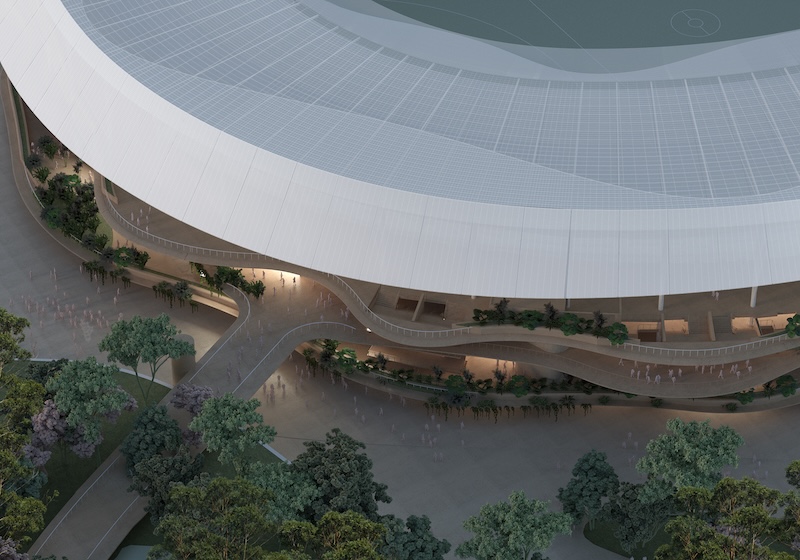
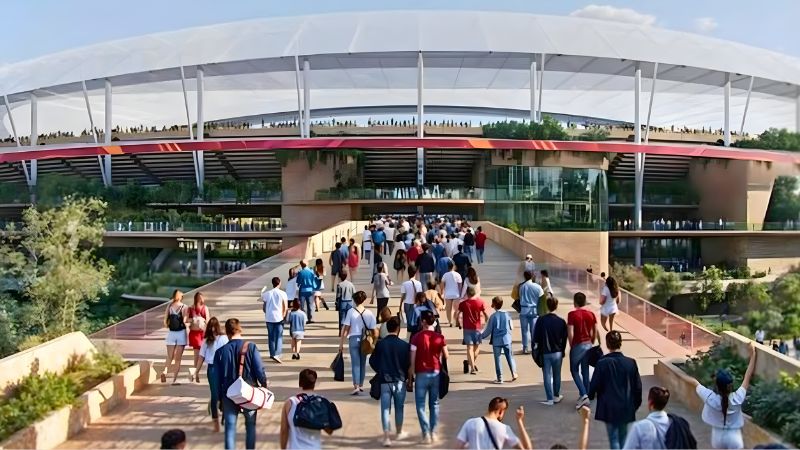
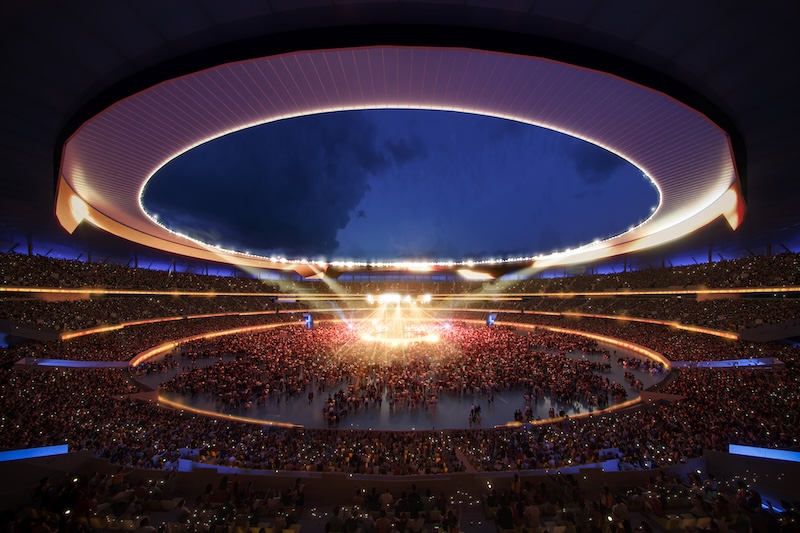
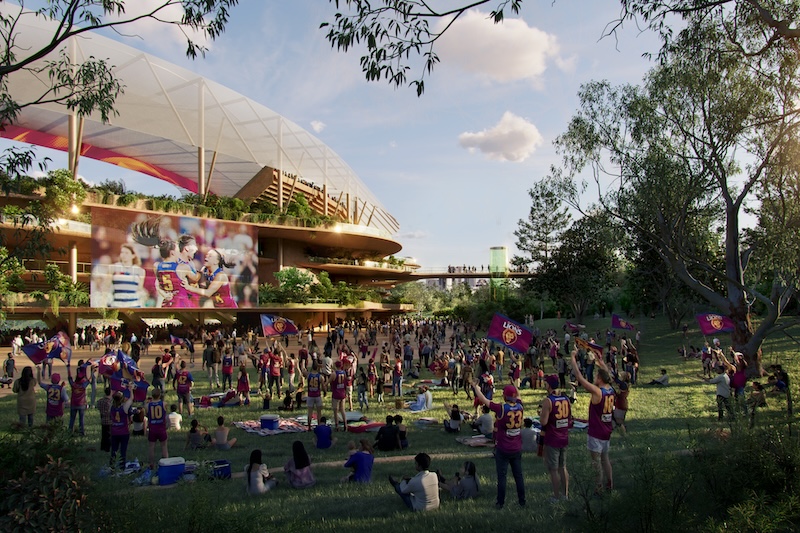
1 of 4
GIICA chairman Stephen Conry said the selection process sought “visionary design, innovation, and quality teamwork credentials” and that Cox, Hassell, and Azusa Sekkei “made them an outstanding choice as principal architect for Brisbane Stadium”.
Cox Architecture director Richard Coulson said the design reflected the state’s identity.
“The stadium must be truly of its place, reflecting not only the identity of Brisbane but also the broader region,” Coulson said.
He said that “long views, capturing cooling breezes, and the essential provision of shade … embody the relaxed way of life that Queenslanders cherish”.
Hassell managing principal Lucy O’Driscoll said the design ensured the stadium would adapt to a wide variety of sporting and cultural uses.
“It will deliver a world-class experience for athletes and fans and provide Brisbane with a vital piece of sporting infrastructure of true global calibre,” she said.


The Great Densification: Zoning Alone Won’t Fix Housing Crisis

Prefab, Modular, Ready-to-Go: Construction Innovation Evolves

High-Stakes Bid to Shape Adelaide’s Next Urban Precinct

Modular Hotel Rises on Queenstown’s Steepest Site


