
Asset Selection and Co-Working Key to BtR Success

“Gyms and wellness offerings are fundamental to build-to-rent.”
But Novus analyst Rohan Dickeson believes a good co-working space is becoming an important part of building vertical communities.
Speaking at the MaxCap leaders lunch in Sydney recently, Dickeson said Novus had nine sites on the eastern seaboard and it was a vertically integrated build-to-rent developer and operator.
At its operational asset at Southbank in Melbourne, the co-working space is the hardest-working part of the building, Dickeson said, so much so that Novus is exploring ways to further enhance these co-working spaces for residents.
“The residents love it,” he said.
“It’s so well used. The work-from-home space has break out spaces and meeting rooms in there as well, and it’s always being used.”
Gyms still a staple
Dickeson said that yoga rooms and gyms remained a staple of the build-to-rent format, with wellness amenities a key driver of rentals at Sturt Street.
“It’s such a good way to catalyse everything,” he said.
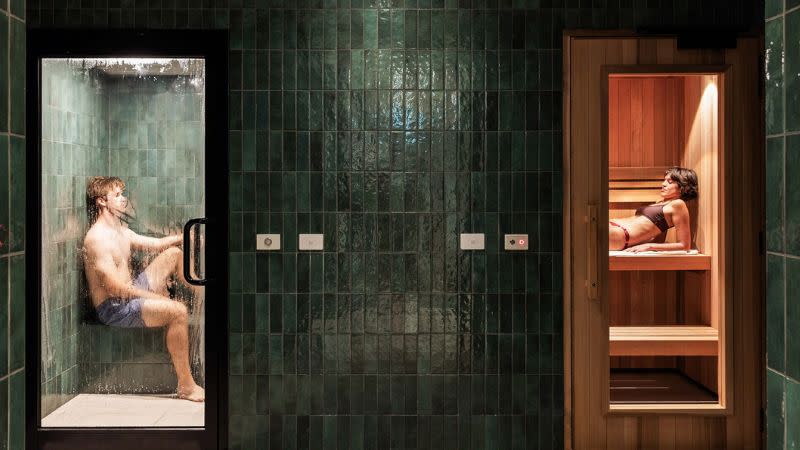
In this maturing sector, operators recognise that the product must stand apart not only from private rentals but also from traditional for-sale apartments. Renters have come to expect spaces that support health, work, recreation and social connection, all within the same building.
The buildings that succeed are those that integrate lifestyle into their DNA while fostering community.
Community key to renewals
Speaking at the MaxCap industry leaders lunch Pro-invest Group director of portfolio management and transactions Brian O’Driscoll agreed that community engagement was key.
He said there was a direct correlation between how connected residents felt within a community and their likelihood of renewing.
This shift has pushed operators to rethink their approach. Amenity without activation is merely square metre count. The real value lies in how these spaces are programmed and utilised according to Dickeson.
“The thing we’re trying to crack the code on at the moment is how do you further activate the space with more classes, programs and community events, and get people continuously engaged and coming to those classes.
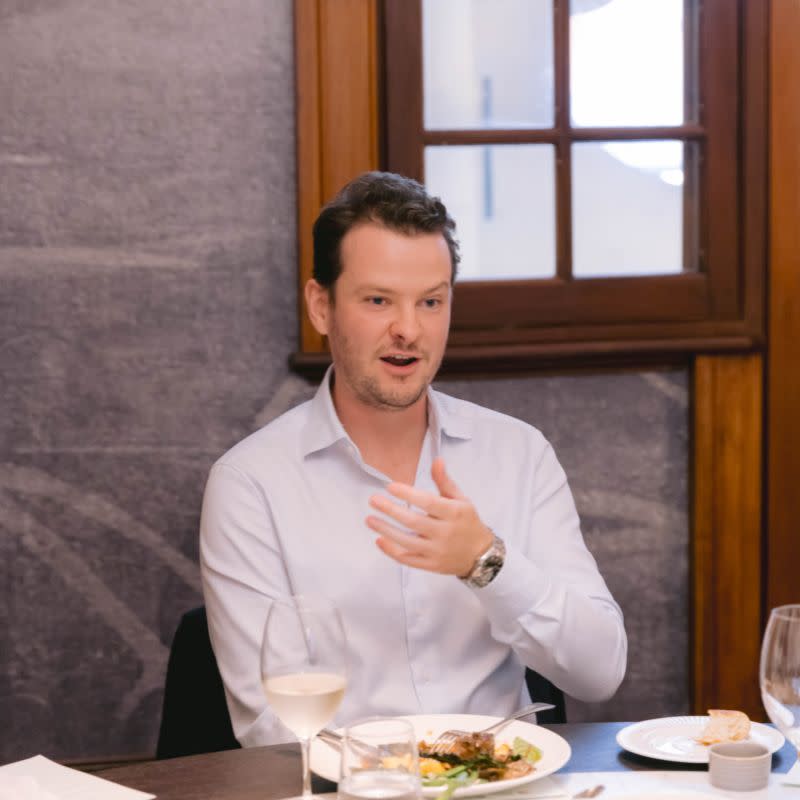
“It’s the social dynamic, it keeps people interested, it keeps them sticky and engaged. It just beds down what the proposal of the asset really is.”
Events, classes, social gatherings, workshops and shared experiences are now standard operating practice, not occasional add-ons.
In many cases, operators are employing dedicated community managers whose job is to curate a living experience rather than simply manage a building.
High conviction suburbs in crosshairs
But planning for the end user starts very early in the acquisition end of the development life cycle.
“We’re pretty active on taking a high conviction approach on suburbs that we think fit a certain demographic profile or fit a set of standards that we see to be key to build-to-rent success.
“We’re pretty active from an acquisition perspective, but feasibilities we underwrite a 10-year develop and hold but it depends on the kind of capital you’re working with.
“I think it’s a perfect storm. For this asset class to still work you have to get wins across the board, you have to get planning wins, you have to get feasibility wins.”
Something Freecity executive director of development Michael Romano is also focused on.
“What we’re thinking about is what additional income streams you can get over and above rent, to make the investment stack up and attract a player to come in during the development phase,” Romano said.
“I think that’s an untapped part of the market.”
Needles in haystacks
Apt.Residential has put its foot on a number of Sydney sites and co-founder Puian Mollaian likens the hunt for sites to “finding needles in haystacks”.
“There’s a lot of searching and some frog kissing to find the right sites,” he said.
“In less than two years we’ve looked at give or take 300 deals, and we’ve committed to six projects. So that’s the success ratio you are pursuing.

“You have to be able to make sure that you’ve got the right networks, you’re knocking on the right doors and searching in the right places, and then you’re applying the right creative lens.
“If you’re just seeking a mixed use site that is openly available to any party, you’re probably wasting your time.”
But when it comes to weighing up the opportunities, amenity and community are no longer soft concepts in rental housing. They are hard metrics with real commercial value.
They drive retention, stabilisation, reputation and long-term performance.
MaxCap director of investment Adam Matkovich said he had analysed plenty of build-to-rent feasibilities in the past 12 months, and agreed amenity was an important part of the equation.
But for capital, exit remains the key consideration in funding build-to-rent assets.
“A lot of our key considerations are around exit. And how do we get comfortable with looking at rental assumptions and making sure those assumptions stack up,” Matkovich said.
“Exit is quite a critical consideration ... but across all feasibilities the key challenge is construction cost at the moment.”
The future of the Australian economy is looking brighter into 2026, MaxCap head of research Bruce Wan said.
“Altogether when we look around the world, we see a weaker pace of growth in 2026. And it's a combination of things like weak confidence, reduced trade and very stubborn inflation in the economy,” Wan said.
“Our biggest problems in Australia don’t seem that dire in comparison.
“Our biggest concern economically [in Australia] is a lack of affordable housing. The growth of the economy is accelerating and moving in the right direction.”

Time is Right: Builders Migrate North to Ride Queensland’s Next Boom

New Zealand Office Project ‘Cracks Code’ for Mass Timber Viability

Nature-Positive Housing Model Put to the Test in South Australia

From Upzoning to Delivery: The Hard Reforms Coming in 2026


