
ApartmentsHarrison CaithnessMon 06 Jul 26
Hopes AI System Will Level Solar Power Playing Field for Apartments

More than 2.5 million Australians live in apartments, but just 3.5 per cent of apartment residents have rooftop solar access.
An AI-powered system being developed by UNSW Canberra researchers aims to change that, smoothing the way for the use of rooftop solar and battery storage for apartments.
The pilot trial of the system is due to start later this year with partners Beaumont Strata Management, Ocean Building Management, Piper Alderman, SAJ Electric, Squared-X and One Stop Warehouse, to test the system in the “real world”.
Complex shared ownership arrangements, outdated metering infrastructure and buildings not designed for distributed energy have complicated the adoption of solar power in apartments and exacerbated the affordable energy gap in urban areas.
The UNSW project will add an AI component to the Modular Power Portal System (MPPS) developed by renewable energy R&D companies Voltval and JT Solar Technology.
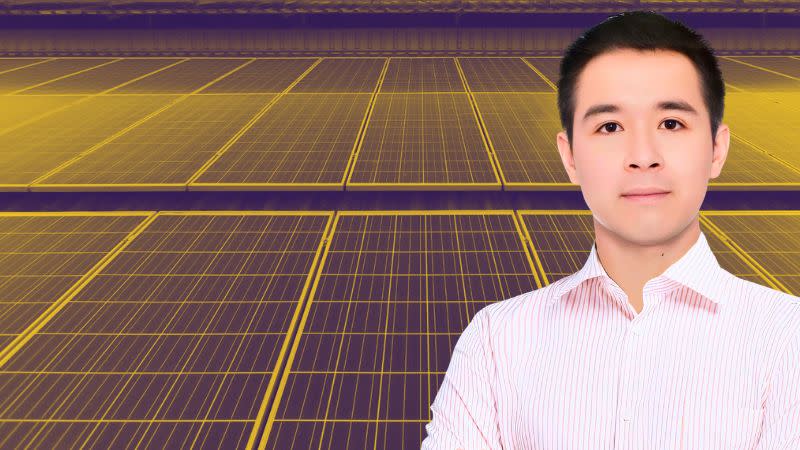
UNSW Associate Professor Huadong Mo and Dr Ripon Chakrabortty [pictured at top], who co-lead the project, said it could reduce energy prices for participating buildings by up to 30 per cent and minimise waste.
The AI system considers weather patterns, power consumption, a building’s infrastructure and even if a medical device is being used in any homes to forecast energy needs.
It uses that data to co-ordinate shared energy use between multiple apartments in real time.
It can decide how much electricity needs to be fed to a particular unit from the grid and how much should be stored for it in batteries.
The MPPS works by splitting and distributing electricity generated by rooftop solar panels through a series of inverters and can achieve a lower price than the prevailing electricity market rate.
“We believe the MPPS can help rapidly decarbonise buildings at scale,” JT Solar Director Jason (Jiangang) Xiao said.
For the property development sector, the implications are significant.
Apartment buildings have historically struggled to capture the same solar economics as detached housing due to strata complexity, split incentives between owners and residents, and legacy metering systems that make energy sharing difficult. This technology effectively turns those constraints into a co-ordinated energy asset.
Developers could use integrated systems like MPPS to lift the attractiveness of new apartment projects by embedding lower ongoing energy costs directly into the building’s operating model. That can translate into stronger sales narratives centred on affordability and sustainability, particularly in a market where energy bills are increasingly a key cost-of-living pressure point for buyers and renters.
There is also a valuation and positioning effect.
Buildings with embedded renewable energy systems and smarter energy management are increasingly aligned with environmental, social and governance (ESG) benchmarks used by institutional capital.
That can improve financing conditions, broaden the pool of potential investors, and support premium pricing in build-to-rent and strata-titled assets.
For build-to-rent operators in particular, predictable energy savings and improved operational efficiency can feed directly into higher net operating income over time.
Lower utility volatility also improves long-term asset stability, which is a key factor for institutional investors comparing residential assets with commercial or industrial alternatives.
The researchers have received a $1.2 million grant from the Commonwealth Department of Education’s Trailblazer Recycling & Clean Energy (TRaCE) program to develop the technology.





